

How Construction Sites Can Reduce Costs Through Wood Waste Recycling
Construction sites generate massive volumes of scrap materials during construction. Builders throw away scrap timber, old forms, and packaging crates into dumpsters, adding major expenses. Disposal companies charge steep fees for hauling materials to landfills. Project managers must find better methods to handle scrap without inflating the budget. Reducing financial waste requires a shift in how builders manage site debris. Managing this waste prevents severe budget overruns.
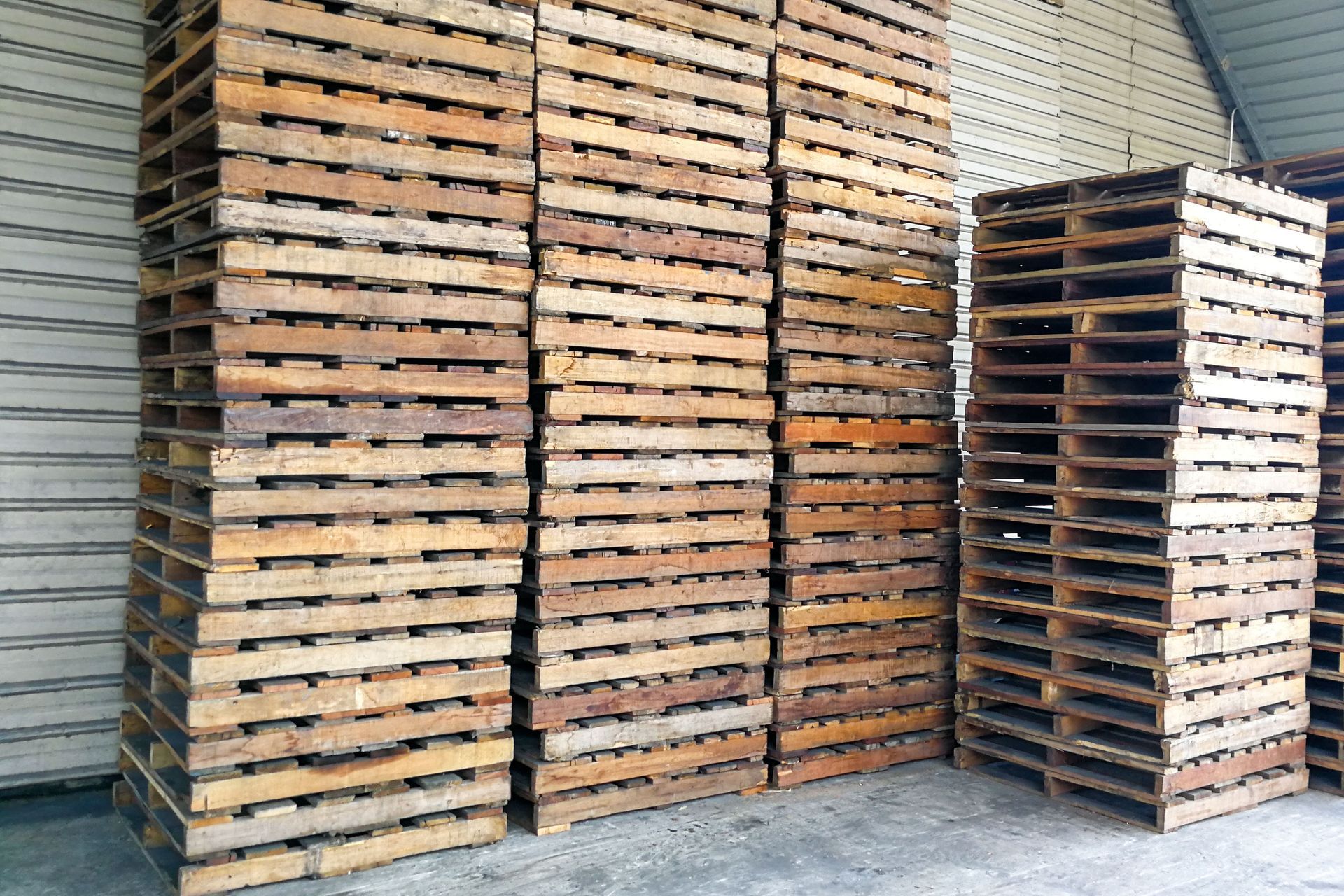
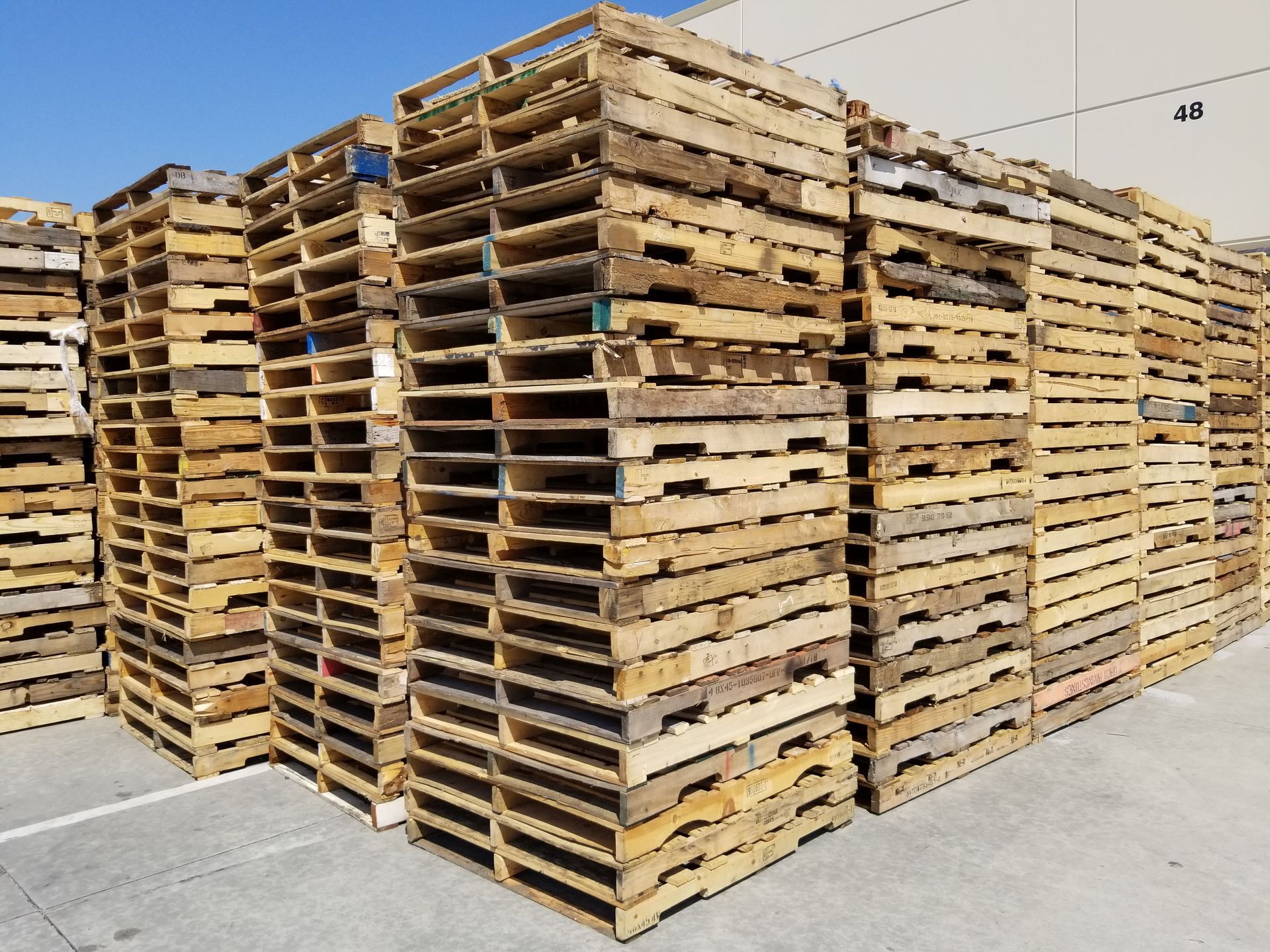
Incorporating systematic material recovery plans offers a viable solution for reducing site expenses. Among the various methods available, wood pallet recycling stands out as a practical approach to curb spending. Contractors discard pallets and skids after supply deliveries arrive. Diverting these items from trash piles lowers haul-away costs and turns waste into a valuable resource. Construction companies improve their financial margins. This change improves overall site operations.
Implementing Efficient Sorting Strategies
Sorting timber scraps at the point of origin creates a foundation for effective material recovery. Site managers establish designated bins for different grades of timber, preventing contamination from drywall, metal, and concrete. Clear signage on every container ensures laborers place correct materials in proper bins. A clean separation process keeps the scrap valuable. Mixed debris bins lead to higher sorting fees. Organized operations save project capital.
Training construction crews on proper disposal techniques reinforces the sorting system. Foremen explain the difference between treated timber, engineered beams, and raw timber scraps. Workers learn to remove nails, screws, and metal brackets from boards before tossing them into designated bins. Clean timber commands a better return and lowers processing fees. Education on the job site ensures high compliance. Training improves site safety standards.
Dedicated sorting zones streamline the flow of materials across the active building site. Placing bins near delivery zones makes wood pallet recycling more convenient for laborers unpacking shipments. When workers break down supply loads, they can stack empty pallets in the appropriate staging area. Proximity encourages compliance and keeps the site clear of tripping hazards. An organized site reduces labor hours. Workers appreciate an organized workflow.
Weather protection plays a crucial role in maintaining the quality of sorted scrap. Tarps and covered dumpsters shield timber from rain and snow. Wet timber becomes heavy, increasing transportation costs based on weight. Moisture accelerates rot, rendering the material useless for secondary applications like mulch or particleboard. Keeping the scrap dry preserves its utility and keeps haul-away costs low. Dry materials retain maximum resale value.
Establishing Local Facility Partnerships
Building relationships with nearby processing centers provides construction companies with reliable disposal alternatives. Site procurement officers research facilities that accept timber scraps and negotiate bulk drop-off rates. Local partnerships reduce the fuel costs associated with hauling materials long distances. Processing centers offer competitive pricing for clean, sorted loads compared to standard municipal dumps. Contractors benefit from these established commercial relationships. Partnerships foster sustained business growth.
Contracts with regional processors often include site pickup services. Fleet trucks from the processing center retrieve filled bins and leave empty containers in their place. This exchange keeps the site moving without requiring the builder to maintain dump trucks. Coordinating pickup schedules around supply deliveries integrates wood pallet recycling into standard site logistics. Smooth logistics prevent overflowing bins. Consistent schedules improve overall site productivity.
Different facilities specialize in various end-products, influencing the types of scrap they accept. Some centers grind raw boards into landscape mulch, while others chip material for boiler fuel. Understanding the specific needs of the processing center allows site managers to tailor sorting habits. Providing the exact material the facility needs results in better financial terms for the construction company. Tailored sorting maximizes future project profits.
The market for recovered timber continues to expand, giving builders more options for disposal partnerships. Facilities compete for clean scrap, driving down processing fees charged to contractors. The growth of this sector creates financial incentives for builders. According to Research and Markets, the wood recycling market size is projected to grow to $31.99 billion by 2033 from $21.48 billion in 2025. Market expansion benefits smart builders.
Minimizing Disposal Fee Expenditures
Landfill tipping fees represent a major line item in any construction budget. Municipal dumps charge by weight or volume, penalizing builders who discard heavy timber scraps. By diverting material to processing centers, contractors strip a massive expense from the project ledger. Practicing wood pallet recycling removes bulky items from the standard trash stream, creating immediate financial relief. Lower tonnage protects profit margins. Avoiding weight penalties is vital.
Taxation on commercial waste adds a layer of expense to standard disposal methods. Many regions impose levies on construction debris sent to standard landfills to encourage sustainable practices. Recovered materials bypass these municipal penalties, keeping more capital inside the project budget. Companies operating across multiple jurisdictions navigate varying tax structures, but material recovery lowers the financial burden. Strategic planning avoids unnecessary municipal taxes.
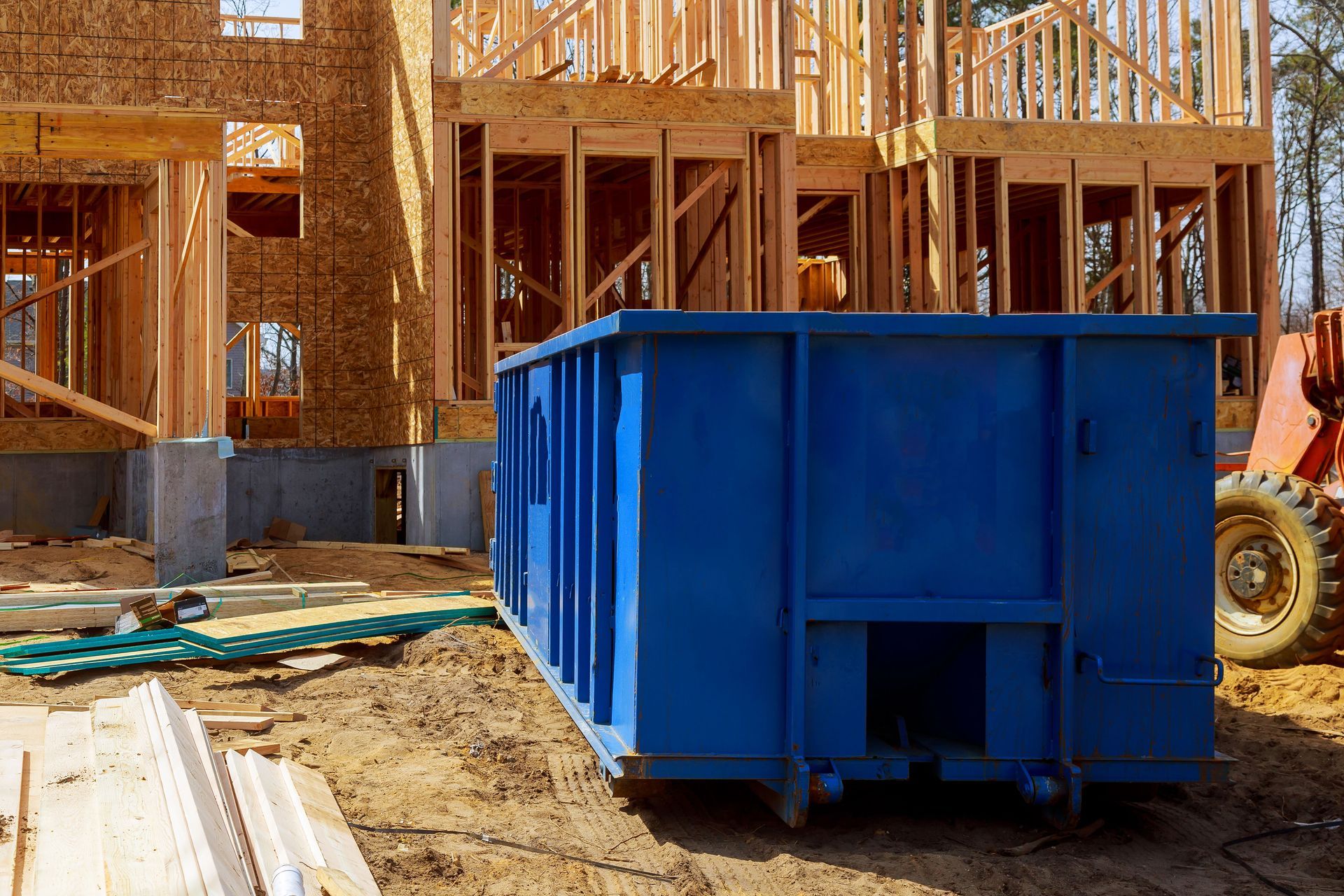
Container rental fees decrease when contractors throw away less volume. Standard building projects require constant dumpster swaps, each incurring a separate rental and transport fee. Diverting timber into specialized recovery bins slows the fill rate of expensive mixed-waste dumpsters. Fewer swaps of primary trash containers yield a noticeable drop in equipment rental invoices. Site managers maintain better budget control. Fewer dumpsters mean wider profit margins.
Tracking financial savings validates the effort required to change site habits. Project accountants measure the difference between projected landfill fees and the actual costs of the recovery program. These metrics provide the data necessary to submit better bids on future building contracts. Lower overhead costs allow contractors to offer better pricing to developers. Financial transparency becomes a competitive advantage. Data proves the recovery strategy works.
Repurposing Materials for Future Projects
Beyond sending scraps to external facilities, contractors discover value in reusing materials on site. Builders salvage temporary structures, concrete forms, and bracing for use on subsequent job sites. Storing good-condition boards prevents the purchasing department from buying fresh lumber for temporary applications. Site reuse represents a direct form of cost reduction. Companies build an inventory of utility lumber. Inventory reduces overall site material spending.
Shipping platforms possess incredible durability and lend themselves well to site reuse. Construction yards utilize intact platforms to store equipment and keep materials off the damp ground. Incorporating internal wood pallet recycling keeps these structures in circulation rather than paying to throw them away. When platforms suffer damage, laborers salvage the intact slats for minor bracing tasks. Reusing platforms maximizes total resource utility.
Deconstruction techniques replace demolition habits when builders prioritize material preservation. Instead of smashing temporary bracing with sledgehammers, workers pry boards apart to maintain structural integrity. Gentle dismantling takes more time but preserves timber for future application. The value of saved lumber offsets the extra labor hours required for careful deconstruction. Shifting from demolition to deconstruction changes the job site culture. Preserved boards offer immense project value.
Innovative contractors mill their own scraps into usable elements for rustic design features. Interior fit-outs often incorporate reclaimed timber for wall paneling or decorative beams. While not every board suits this purpose, selecting high-quality castoffs reduces the budget for architectural finishes. Commercial clients appreciate the aesthetic and narrative of reclaimed materials. Finding high-value applications transforms waste into an architectural asset. Clients value sustainable commercial building practices.
Waste management practices dictate a substantial portion of project overhead. Throwing every scrap into a mixed dumpster drains capital and ignores the hidden value of construction debris. By implementing sorting systems, partnering with processing centers, and avoiding landfill fees, builders protect profit margins. Strategies like wood pallet recycling prove that simple changes in material handling yield tangible financial benefits. Financial discipline creates resilient contracting businesses. We at Railside Environmental Services LLC are ready to help you lower site disposal costs through our wood pallet recycling solutions. Contact our team today to transform your construction waste into a manageable asset.


Share On: