

What Are the Top Uses of Recycled Wood Pallets?
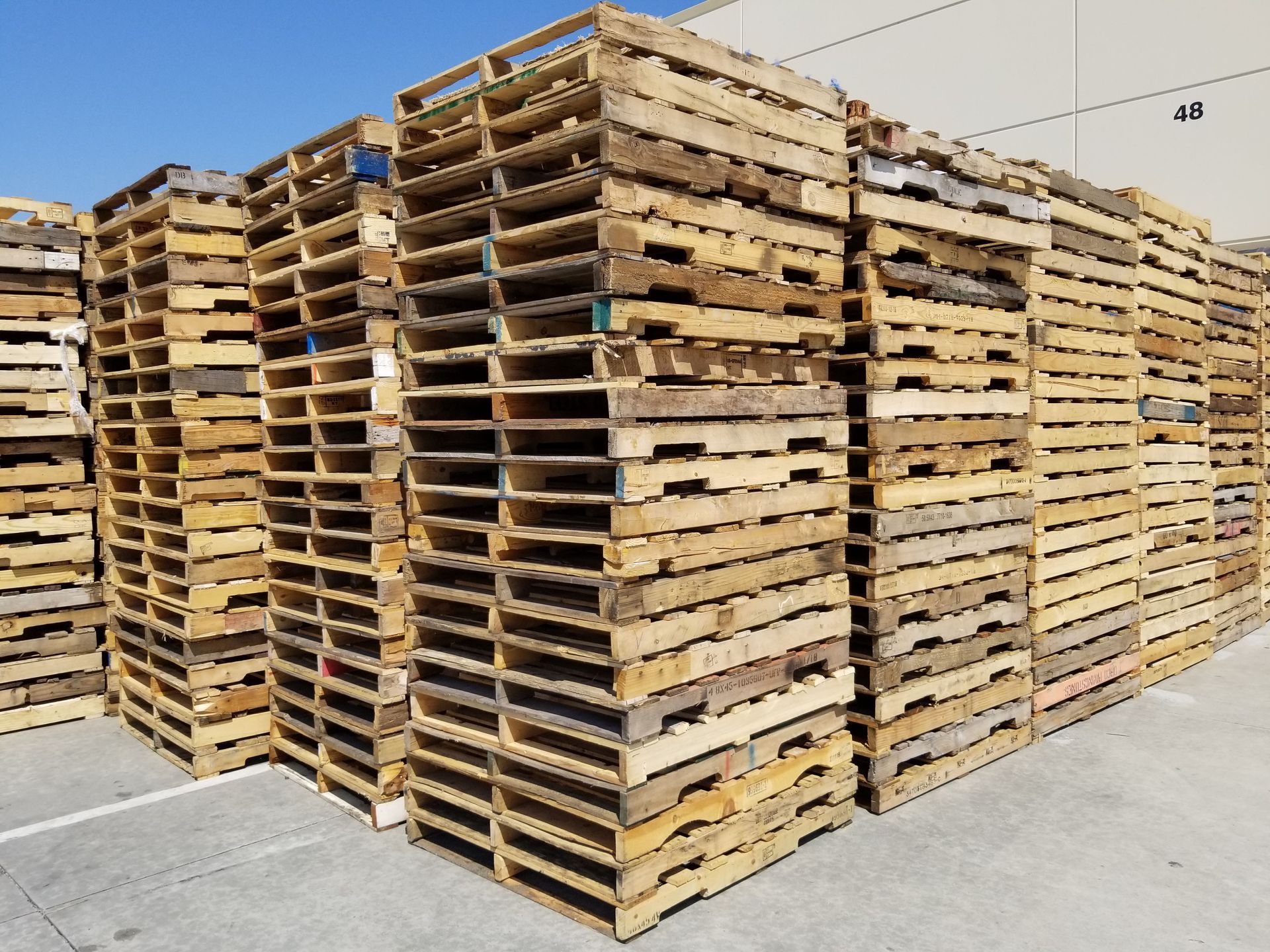
Commercial operations across various sectors rely on heavy timber platforms to transport, store, and organize bulk goods efficiently across distribution networks. Over time, these sturdy wooden structures wear down, sustain physical damage, or accumulate beyond functional storage capacities within warehouses and shipping yards. Managing surplus lumber platforms through proper channels for wood pallet disposals provides an environmentally responsible pathway to reduce landfill accumulation while supporting circular economic practices across local communities.
Instead of discarding worn timber units, modern sustainability frameworks prioritize reclaiming and repurposing these valuable organic materials. Diverting broken or obsolete units toward specialized processing facilities unlocks significant environmental and industrial value across multiple sectors. Implementing structured recycling routines ensures that discarded timber finds new life through innovative manufacturing applications, landscape enhancement, and sustainable industrial utilities rather than occupying space in local waste streams.
Generating Clean Bioenergy for Industrial Operations
Reclaiming heavy timber platforms offers an exceptional opportunity to support clean energy initiatives and offset traditional fuel consumption. Processed timber from retired shipping units serves as a reliable fuel source for specialized industrial boilers and bioenergy plants designed to generate heat and electricity. According to Fortune Business Insights, Class A recovered timber harvested through platform recycling represents the primary energy source generated from terrestrial biomass. Converting reclaimed lumber into usable energy prevents solid waste accumulation while delivering a sustainable alternative to conventional fossil fuels.
Industrial facilities utilize high-capacity shredding and grinding machinery to reduce discarded shipping platforms into uniform wood chips suitable for biomass combustion systems. Magnetized separators strip away nails, staples, and metallic fasteners to ensure clean fuel streams that burn efficiently with minimal ash output. Facilities that establish structured routines for routine wood pallet disposals actively contribute to expanding renewable energy infrastructure while ensuring that organic resources remain productive throughout their entire life cycle.
Manufacturing Composite Board and Particleboard Products
The manufacturing sector utilizes processed timber fibers from retired shipping containers to produce various composite building materials used in modern construction. After metal fasteners are extracted and lumber is ground into fine particles, the resulting material combines with synthetic resins under high pressure and temperature to form sturdy composite panels. Particleboard, medium-density fiberboard, and structural core panels frequently rely on these reclaimed fibers to achieve exceptional durability and dimensional stability.
Integrating reclaimed timber into composite manufacturing significantly decreases the demand for fresh timber harvesting, preserving natural forest ecosystems while supporting sustainable building practices. Composite board manufacturers rely on consistent supplies of recovered lumber from commercial sites to maintain high-volume production. Engaging in organized wood pallet disposals supplies manufacturing facilities with essential raw materials, helping transform discarded shipping units into high-grade paneling, subflooring, and architectural components.
Producing Organic Mulch for Landscape Applications
Transforming clean, untreated lumber platforms into decorative landscape mulch represents one of the most common and beneficial applications for reclaimed timber. Heavy industrial grinders process sound wood frames into textured chips that provide vital protective coverage for garden beds, residential lawns, and commercial grounds. Once ground, the raw wood chips can be colored with non-toxic, eco-friendly dyes in shades of dark brown, black, or reddish-brown to enhance curb appeal across outdoor spaces.
Beyond aesthetic improvement, landscape mulch derived from processed shipping units delivers substantial agronomic benefits to soil environments. Mulch layers help retain soil moisture, suppress invasive weed growth, regulate root temperatures across seasonal shifts, and prevent soil erosion during heavy rainstorm events. Businesses that arrange proper wood pallet disposals help municipal and private landscaping suppliers maintain steady access to high-quality raw mulch stocks throughout the peak growing seasons.
Creating Absorbent Bedding Materials for Livestock
Agricultural operations and equestrian facilities require clean, comfortable, and absorbent bedding materials to maintain optimal animal health and hygiene standards within barns and enclosures. Untreated dimensional lumber extracted from shipping platforms provides an ideal raw material for manufacturing fine wood shavings and soft sawdust bedding. Specialized milling equipment processes clean timber units into soft, dust-free particles specifically designed for livestock applications.
Reclaimed wood bedding provides excellent moisture absorption properties, helping keep animal stalls dry, clean, and comfortable while minimizing odor accumulation. Because commercial platforms are typically constructed from dense hardwoods and durable softwoods, the resulting shavings offer long-lasting performance compared to alternative bedding materials. Coordinating consistent wood pallet disposals ensures agricultural suppliers receive clean, chemical-free timber suitable for producing safe and hygienic animal bedding.
Crafting Custom Furniture and Interior Fixtures
The rustic aesthetic and natural character of aged dimensional lumber have fueled widespread demand for custom furniture, decorative wall paneling, and interior architectural elements. Skilled woodworkers, furniture artisans, and commercial designers frequently disassemble retired shipping platforms to salvage sound planks featuring rich grain patterns, nail marks, and natural weathering. These unique visual characteristics add warmth and distinct personality to residential and commercial interiors.
Salvaged timber planks are routinely transformed into handcrafted dining tables, coffee tables, accent walls, floating shelving, and retail display fixtures. Repurposing aged lumber eliminates the need for intensive manufacturing processes while preserving timber with exceptional character and structural integrity. Arranging timely wood pallet disposals connects creative woodworking businesses and artisan workshops with valuable lumber resources, keeping solid wood out of regional waste streams while fostering creative design solutions.
Formulating High-Density Biomass Pellets for Heating
Commercial heating systems and residential pellet stoves increasingly rely on dense biomass pellets to provide efficient, clean-burning warmth during cold seasons. Discarded shipping units provide an ideal source material for pellet production due to their low moisture content and dense wood fibers. Processing facilities grind reclaimed lumber into fine sawdust, dry the material to uniform moisture levels, and compress it under extreme pressure into uniform cylindrical pellets.
High-density biomass pellets burn cleanly with low smoke output and minimal ash residue, making them an efficient heating alternative for homes, schools, and commercial facilities. The high energy density of compressed wood pellets ensures long burn times and consistent thermal output across automated feeding systems. Facilitating organized material recovery ensures pellet manufacturers receive a steady supply of dry timber, supporting clean thermal energy production and localized heating solutions throughout regional communities.
Building Structural Soil Stabilizers for Construction Sites
Civil engineering projects and heavy construction sites frequently utilize coarse wood fibers and shredded timber mats to stabilize soft soils and prevent severe erosion. Coarse wood chips derived from ground shipping platforms create effective temporary access roads, staging area pads, and slope stabilization barriers across active job sites. These organic layers absorb heavy rain, distribute vehicle weight, and prevent heavy machinery from sinking into mud during wet conditions.
Using shredded timber for soil stabilization also prevents sediment runoff into nearby waterways, helping construction sites maintain compliance with environmental protection regulations. Once construction is complete, the natural wood fibers decompose naturally into the surrounding soil or can be easily blended into final landscaping layers. Establishing structured wood pallet disposals provides civil contractors with reliable supplies of durable timber chips, supporting safer, cleaner, and more resilient job site infrastructure.
Reclaiming retired shipping platforms through systematic recycling channels delivers profound environmental and industrial benefits across diverse sectors. From generating renewable bioenergy and manufacturing composite building supplies to producing protective landscape mulch and custom interior furnishings, discarded timber remains a remarkably versatile organic resource. Diverting obsolete shipping units away from landfills protects natural ecosystems, conserves forest resources, and fuels a sustainable circular economy across local industries.
If you are ready for efficient, eco-friendly material management, contact us at Railside Environmental Services LLC today. We will help you establish seamless recycling solutions tailored to your operational needs.


Share On: